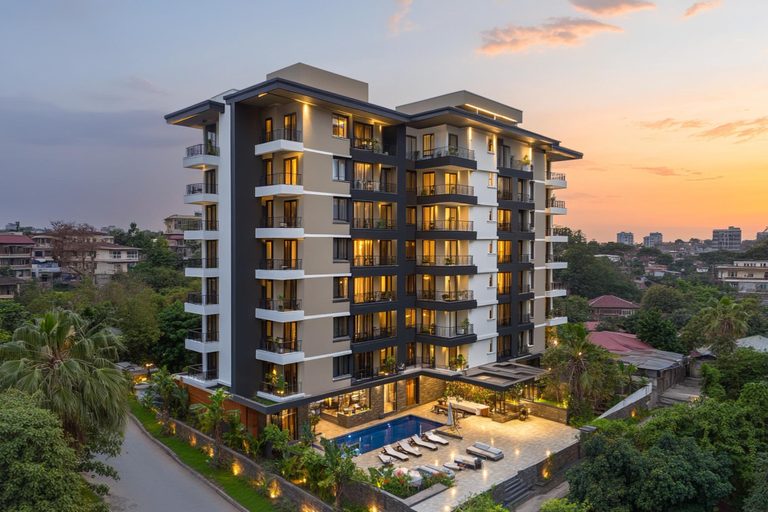

Ludhiana is thriving. As Punjab’s largest city and industrial hub, it has witnessed sustained growth in demand for residential and commercial real estate. New plotted developments, luxury high-rise apartments, and expansive gated townships are rapidly transforming prime areas such as South City, Pakhowal Road, Ferozepur Road, and the upcoming Aerocity corridor.
As more homebuyers and investors look to buy property in Ludhiana, the city continues to attract attention for its strong infrastructure, economic opportunities, and promising real estate appreciation. However, a booming market does not automatically guarantee a flawless transaction.
Real estate deals, especially in high-growth regions, can easily fall through when buyers bypass essential due diligence. Flawed titles, unapproved layouts, and misstated seller claims represent massive financial traps that catch thousands of unsuspecting investors off guard every year.
Whether you are a first-time homebuyer, a seasoned local investor, or an NRI exploring premium real estate as a long-term asset, this guide walks you through 7 non-negotiable verification steps that will safeguard your investment and help you confidently buy property in Ludhiana.

Table of Contents
- Step 1: Verify Title & Ownership Documents
- Step 2: Check Encumbrance Certificate & Loan Status
- Step 3: Confirm RERA Punjab Registration
- Step 4: Validate Zoning Laws & GLADA Approvals
- Step 5: Verify Physical Possession & Boundary Demarcation
- Step 6: Review the Sale Agreement Carefully
- Step 7: Cross-Check Municipal Taxes and Utility Clearance
- Quick Verification Checklist
- Conclusion: Due Diligence is Your Best Shield
- FAQs
Step 1: Verify Title & Ownership Documents
The first step when purchasing real estate in Ludhiana is verifying the seller’s absolute ownership. Ensuring a clean title shields you against impending legal battles and sudden financial liabilities down the line.
- Sale Deed / Title Deed: Examine the original, registered title deeds to confirm that the seller holds undisputed ownership and the legal authority to transfer the asset.
- Chain of Ownership: Review previous sale deeds, inheritance records, or gift deeds for at least the past 30 years to ensure a clear ownership history.
- Mutation Records (Intkal): Confirm that the property has been officially transferred and recorded in the revenue department’s register under the seller’s name.
- Jamabandi / Fard: Verify the property’s latest ownership details and land status through the official Punjab revenue records. This can be cross-checked online or at a local Fard Kendra.
Step 2: Check Encumbrance Certificate & Loan Status
An Encumbrance Certificate (EC) is the only way to confirm if a property carries any financial or legal baggage—including active bank loans, mortgages, or ongoing court disputes.
- How to verify: Apply for the EC at the local Sub-Registrar’s office in Ludhiana or access it through Punjab’s online registration portal.
- Bank Commitments: Ask the seller to provide a No-Objection Certificate (NOC) from the bank if the property was ever tied to a mortgage.
- Litigation Checks: Cross-verify with the Revenue Court records to check if there are any pending cases involving the land patch. Insist on a certificate that tracks the past three decades instead of accepting a record that only covers a few years.
Step 3: Confirm RERA Punjab Registration
If you are planning to buy a flat or unit in a new housing project or township, the Real Estate (Regulation and Development) Act, 2016 (RERA) acts as your ultimate legal safeguard. Punjab RERA mandates that every new project exceeding 500 square meters or 8 apartments must be registered before it can be marketed.
- Search the Portal: Look up the project by its name or developer on the official Punjab RERA website (rera.punjab.gov.in).
- Verify the Details: Confirm that the project registration number is valid. Ensure that the sanctioned layout plan, promised amenities, and completion date listed on the portal match what the developer is offering you on paper.
Step 4: Validate Zoning Laws & GLADA Approvals
Not all land in and around Ludhiana is legally approved for residential or commercial construction. Buying a plot that is zoned differently from its intended use can result in demolition orders, heavy fines, and complete loss of capital.
- CLU (Change of Land Use) Certificate: If agricultural land is converted for residential use, ensure it holds an official CLU certificate granted by the Punjab government.
- GLADA Approval: Verify that the colony or township layout is fully approved by the Greater Ludhiana Area Development Authority (GLADA). Avoid unapproved or illegal colonies, as they will not receive municipal water or electricity connections.
- Sanctioned Building Plan: For built-up properties, confirm that the structural design was formally approved by the Ludhiana Municipal Corporation to avoid violations of Floor Area Ratio (FAR) rules.
Step 5: Verify Physical Possession & Boundary Demarcation
Documents are important, but so is the ground reality. Before you finalize any deal, conduct a thorough physical inspection of the site to make sure paper details match physical constraints.
- Inspect for Encroachments: Check the perimeter for boundary violations or unauthorized structures from neighboring properties.
- Confirm Stated Area: For built properties, verify the actual physical square footage against what is listed in the sale deed.
- Check Public Infrastructure Plans: Investigate potential municipal road-widening projects or government acquisition notices that might slash your property line in the future.
Step 6: Review the Sale Agreement Carefully
The sale agreement is a legally binding contract—every single clause in it matters. Never sign this document under pressure without careful scrutiny.
Key Clauses to Scrututinize:
- Property Description: Ensure the plot number, area, boundaries, and survey numbers exactly match the title documents.
- Payment Schedule: Define all payment milestones explicitly, leaving no room for ambiguous interpretation.
- Possession Date: Specify a clear possession deadline, including predefined penalty clauses for any delays.
- Force Majeure: Outline the specific, exceptional circumstances that legally allow a developer to extend project timelines.
Step 7: Cross-Check Municipal Taxes and Utility Clearance
Before the property is transferred to your name, you need to make sure there are zero outstanding dues attached to it. If you skip this, those dues legally become your financial responsibility.
- Property Tax: Visit the Ludhiana Municipal Corporation office or check their online portal to verify that all property tax payments are up to date. Ask the seller for the latest paid receipts.
- Water & Sewerage Bills: Confirm no outstanding dues with the PWSSB (Punjab Water Supply and Sewerage Board).
- Electricity Bills: Check with PSPCL (Punjab State Power Corporation Limited) that the electricity account is clear.
- Society Maintenance Dues: For apartments or gated communities, ask for a clear No-Dues Certificate (NDC) from the Residents’ Welfare Association (RWA).
Quick Verification Checklist
| Verification Step | Agency / Authority Involved | Document to Request |
| Ownership Proof | Revenue Department / Fard Kendra | Jamabandi / Fard / Registered Sale Deed |
| Financial Liabilities | Sub-Registrar Office | Encumbrance Certificate (30 Years) |
| Project Legality | RERA Punjab | RERA Registration Number & Portal Details |
| Layout Sanction | GLADA / Municipal Corporation | Approved Layout Map & CLU Certificate |
| Utility Clearances | PSPCL, PWSSB & Local RWA | Latest paid receipts & No-Dues Certificate |
Conclusion: Due Diligence is Your Best Shield
Buying real estate is one of the most significant financial decisions of your life. Whether you’re exploring a property for sale in Ludhiana or investing elsewhere, the booming local market offers fantastic opportunities. However, your priority should always be safety and security. Running through these 7 verification steps will give you absolute clarity and confidence before you commit your hard-earned money.