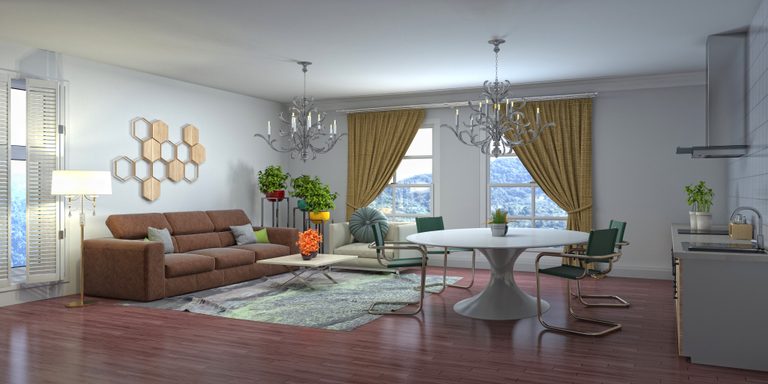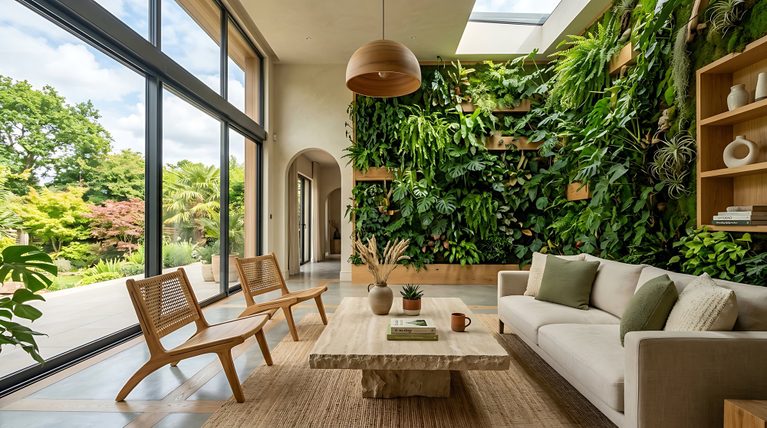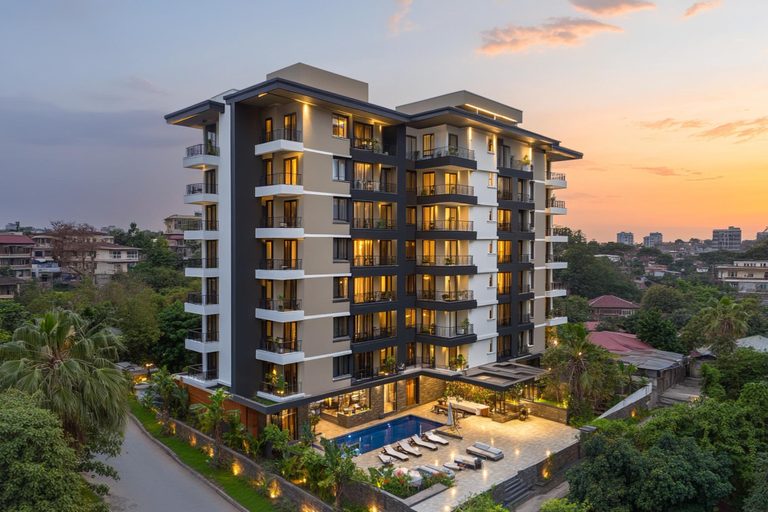

Punjab’s urban landscape is undergoing a massive paradigm shift — one that developments like Lakeview Township are actively leading. yielding concrete blocks with basic infrastructure. Today, the modern Punjabi homebuyer demands far more.
Driven by a desire for healthier living environments, seamless connectivity, and community-centric spaces, the state is seeing a massive surge in integrated planning. From expansive linear parks to integrated retail-residential zones, modern townships are rewriting the rules of urban living. Among these emerging trends, Lakeview township developments, including master-planned waterfront and lakeside communities, are capturing significant market attention due to their blend of natural surroundings, modern amenities, and sustainable urban design.
Table of Contents
- Introduction
- Changing Preferences of Homebuyers in Punjab
- Why Green Spaces Matter More Than Ever
- Understanding Mixed-Use Developments
- Key Advantages of Mixed-Use Infrastructure
- How Nature and Integration Complement Each Other
- The Growing Popularity of Waterfront Townships Like Lakeview Township
- Key Benefits of Lakeside Living
- The Future of Urban Development in Punjab
- Conclusion
- FAQs
Changing Preferences of Homebuyers in Punjab
The contemporary Punjabi buyer is highly informed, often influenced by global living standards or experiences in metro cities like Delhi-NCR, Bangalore, or overseas. Property acquisition is no longer a simple calculation of square footage and price.
[Traditional Focus Area] [Modern Buyer Demand]
Plottage & Kothis → Air Quality & AQI Indexes
Isolated Locations → 15-Minute City Access
Basic Brick & Mortar → Gated Walkable Green Hubs
Young professionals, expanding nuclear families, and NRIs (Non-Resident Indians) returning to their roots are actively seeking a balanced lifestyle. This has forced developers to abandon standalone projects in favor of holistic, master-planned ecosystems.
Why Green Spaces Matter More Than Ever
Rapid urbanization in cities like Mohali and Zirakpur has historically come at the cost of the natural environment. As density increases, dedicated green zones act as crucial environmental buffers.
Parks, manicured gardens, and tree-lined avenues do more than just uplift visual aesthetics:
- Mental & Physical Wellness: Direct access to open areas encourages active lifestyles, lowering stress levels and fostering community interaction.
- Microclimate Regulation: Expansive tree canopies mitigate the urban heat island effect, lowering localized temperatures during Punjab’s harsh summer months.
- Biodiversity & Air Quality: Thoughtful landscaping filters airborne particulates, a growing priority for health-conscious families.
Modern master-planned developments across the state are treating green infrastructure as a core necessity rather than an optional luxury.
Understanding Mixed-Use Developments
Mixed-use developments seamlessly merge residential, commercial, and retail spaces into a singular footprint. Rather than isolating residential sectors from commercial zones—requiring long, vehicular commutes—these projects bring daily necessities directly to the resident’s doorstep.
The 15-Minute Neighborhood Concept: The primary goal of a mixed-use community is to ensure that work, shopping, healthcare, and recreation are all accessible within a short, 15-minute walk or cycle ride.
Key Advantages of Mixed-Use Infrastructure
- Drastic Reduction in Commute Times: Eliminates traffic fatigue by keeping office spaces and retail hubs nearby.
- Enhanced Walkability: Pedestrian-first pathways encourage walking over driving, cutting carbon footprints.
- Sustained Property Value: Historically, integrated townships hold their market value better and yield higher rental returns due to their self-sustaining nature.
How Nature and Integration Complement Each Other
Green infrastructure and mixed-use design are symbiotic. While commercial integration provides convenience, nature ensures the space remains breathable, relaxing, and livable.
Consider a typical day for a resident in an integrated community:
[Morning: Lakeside Walk] ➔ [Midday: Work at Nearby Office Hub] ➔ [Evening: Café / Community Park]
This loop occurs entirely within a secure, pedestrian-friendly boundary. Prominent developers in the region, such as AIPL (Advanced India Projects Limited) with their master-planned footprints in Punjab, are proving that commercial efficiency and natural ecosystems can coexist seamlessly.
The Growing Popularity of Waterfront Townships
Among the premium segments of modern real estate, waterfront and lakeside residential projects have emerged as highly coveted addresses. These developments pair the tranquility of blue-green infrastructure with urban utility.
In regions like New Chandigarh and peripheral Mohali, water bodies—both natural streams and engineered lakes—are being utilized as central design anchors. High-end recreational paths, viewing decks, and open-air plazas are constructed around these features, creating a distinct lifestyle tier that sets these properties apart from standard landlocked blocks.
Key Benefits of Lakeside Living
- Elevated Micro-Climate: Proximity to water bodies provides a cooling effect, creating a pleasant immediate environment.
- Built-In Active Infrastructure: These communities prioritize health, offering dedicated jogging tracks, cycling loops, and outdoor fitness zones.
- Stronger Community Cohesion: Waterfront promenades naturally evolve into social hubs for morning yoga, evening strolls, and neighborhood events.
- Resilient Asset Class: Because premium waterfront plots are finite, these properties enjoy sustained demand and premium appreciation over time.
The Future of Urban Development in Punjab
Punjab’s real estate trajectory is firmly pointed toward sustainability. Future urban planning will likely mandate stricter green-to-concrete ratios, rainwater harvesting integration, and low-emission architectural designs.
As Tier-2 cities like Ludhiana and Jalandhar expand, the pressure on municipal infrastructure will drive buyers away from unorganized colonies and toward organized, self-sustaining mixed-use ecosystems. Developers who master the balance of natural luxury, strategic connectivity, and commercial convenience will dictate the market for the next decade.
Conclusion
The shift toward green spaces and multi-functional developments marks a mature evolution in Punjab’s real estate sector. Homebuyers are looking past the four walls of an apartment or house; they are investing in health, time-efficiency, and a sense of belonging.
Townships that integrate waterfront views, walkable amenities, and lush public parks, including premium Lakeview homes, represent the blueprint for tomorrow’s cities, proving that economic progress doesn’t have to come at the expense of environmental well-being. As demand for sustainable and lifestyle-focused communities continues to grow, Lakeview Homes and similar developments are setting new benchmarks for modern urban living in Punjab.