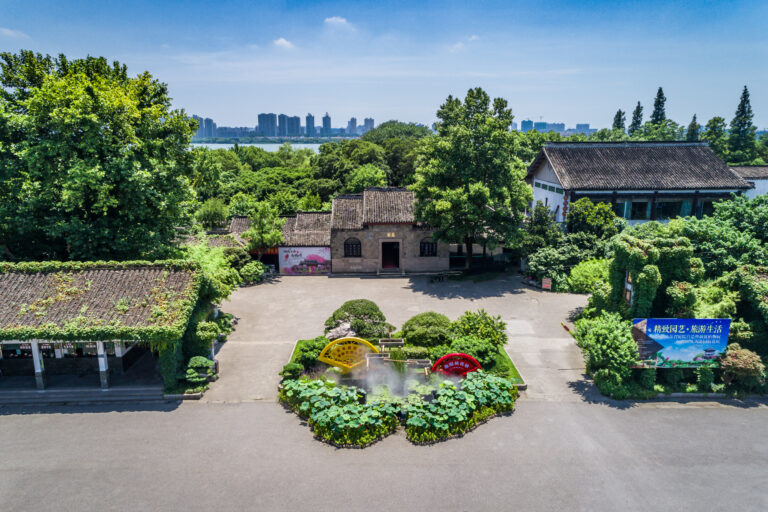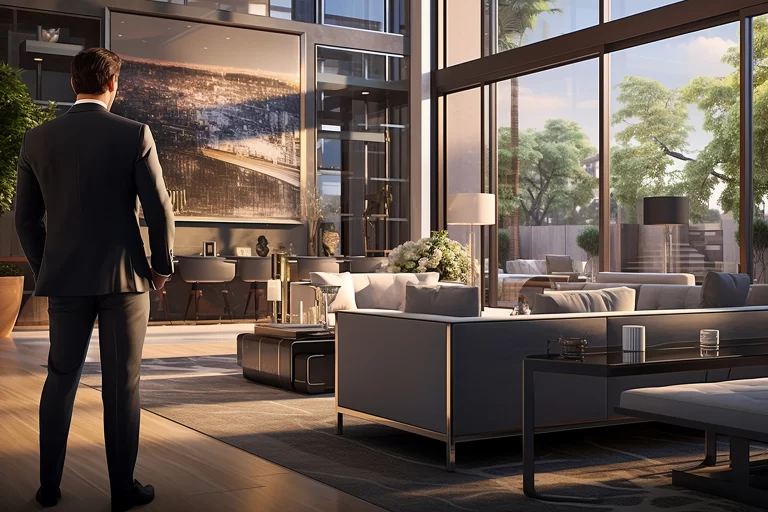

Buying a home today extends far beyond acquiring four walls and a roof. Modern homebuyers prioritize healthier lifestyles, serene surroundings, and integrated communities that elevate daily living. From landscaped parks and jogging circuits to multi-purpose clubhouses, open spaces and premium amenities are now primary deciding factors for those exploring residential plots for sale and turnkey developments alike.
Whether you are evaluating land options or planning a custom build, the surrounding environment directly impacts your living experience and financial returns. A thoughtfully planned development fosters physical wellness, social connection, and sustained asset appreciation.
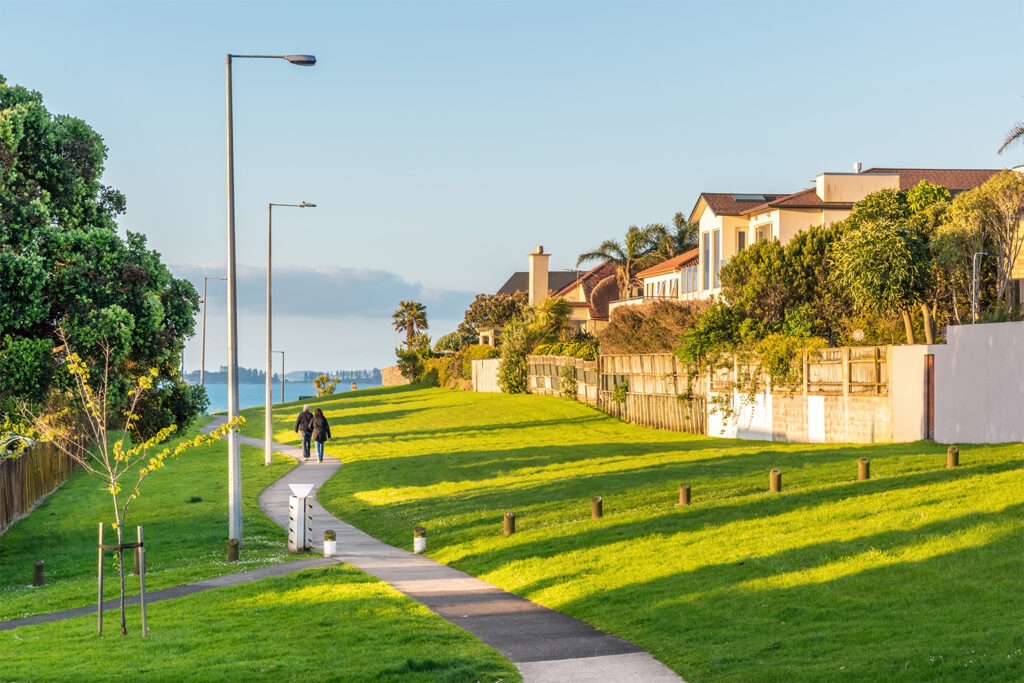
Table of Contents
- Why Homebuyers Prioritize Open Spaces
- Evolutionary Shift: Traditional vs. Modern Communities
- Core Benefits of Low-Density, Green Developments
- Essential Lifestyle Amenities Benchmark
- Financial Impact: How Amenities Drive Capital Growth
- Sustainable Infrastructure in Modern Planning
- Flexibility Comparison: Residential Plots vs. Pre-Built Homes
- Strategic Due Diligence Checklist for Buyers
- Conclusion
- FAQs
Why Homebuyers Prioritize Open Spaces
Homebuyer preferences have shifted significantly over the past decade. Expanding urban density, elevated noise levels, and sedentary routines have heightened the demand for tranquil, nature-infused environments.
Modern buyers routinely look beyond basic square footage to evaluate community-level features:
- Open-to-Built Ratio: Seeking projects allocating 30% to 50%+ of total acreage to greenery and unbuilt common areas.
- Pedestrian-Only Zones: Dedicated walking trails, cycling tracks, and car-free plazas.
- Active Recreation Areas: Dedicated spaces for children’s play, outdoor fitness, and sports.
- Ecological Habitats: Landscaped gardens featuring native flora, retention ponds, and shaded canopy trees.
Evolutionary Shift: Traditional vs. Modern Communities
Residential planning has transitioned from utility-focused layouts to holistic lifestyle ecosystems.
| Feature / Metric | Traditional Residential Layouts | Modern Integrated Communities |
| Primary Focus | Basic shelter and basic utilities | Comprehensive lifestyle & wellness |
| Common Infrastructure | Standard roads, overhead power, drainage | Underground utilities, paved tracks, smart lighting |
| Green Space Allocation | Minimal (typically under 10–15%) | Substantial (30% to 50%+ open area) |
| Recreational Hubs | Rare or unmaintained public parks | Dedicated clubhouses, pools, and sports courts |
| Security & Safety | Individual house gates | Gated perimeter, 24/7 CCTV, controlled access points |
| Community Engagement | Spontaneous / localized | Structured via community halls, event lawns, and forums |
Core Benefits of Low-Density, Green Developments
1. Enhanced Physical Health
Access to outdoor facilities directly correlates with higher physical activity. Integrated jogging paths, tennis courts, and open-air gym setups remove logistical barriers to daily exercise. For children, safe outdoor zones encourage unstructured physical play over sedentary screen time.
2. Mental Well-being and Restoration
Exposure to green environments lowers cortisol (stress hormone) levels and mitigates mental fatigue. Incorporating micro-parks, reflective water features, and tree-lined avenues provides daily psychological respite within the neighborhood boundary.
3. Fostering Genuine Community Connections
Shared spaces act as natural social catalysts. Shared outdoor areas allow neighbors to connect organically while walking pets, supervising children, or participating in weekend community events.
Essential Lifestyle Amenities Benchmark
Today’s buyers seek facilities that merge convenience, recreation, and wellness into a single address.
MODERN COMMUNITY AMENITIES
│
┌──────────────────┬───────────┴───────────┬──────────────────┐
▼ ▼ ▼ ▼
SOCIAL HUBS SPORTS & FITNESS WELLNESS ZONES FAMILY & SENIOR
─────────── ────────────────── ─────────────── ────────────────
• Clubhouse • Multi-sports courts • Yoga decks • Secure play parks
• Event Lawns • Swimming pools • Meditation hubs • Reflexology paths
• Co-working space • Indoor gymnasiums • Shaded benches • Senior seating
- Social & Leisure Hubs: Multi-functional clubhouses featuring lounges, banquet spaces, and indoor gaming rooms.
- Athletic Facilities: Tennis and badminton courts, swimming pools, half-court basketball setups, and synthetic turf pitches.
- Dedicated Wellness Spaces: Quiet yoga lawns, meditation pavilions, and reflexology pathways designed for quiet relaxation.
- Multi-Generational Zones: Age-appropriate playgrounds with soft impact flooring alongside quiet, shaded park seating for seniors.
Financial Impact: How Amenities Drive Capital Growth
Investing in a well-appointed residential community offers distinct financial advantages over isolated or unorganized properties:
- Premium Valuation: Properties inside amenity-rich developments consistently command a 15% to 25% price premium over standalone lots lacking community infrastructure.
- Higher Rental Demand: Tenants prioritize safety, green space, and lifestyle facilities, ensuring lower vacancy rates and higher yields.
- Resilience During Market Downturns: Master-planned communities hold asset values more effectively during market slowdowns due to continuous maintenance and aesthetic appeal.
Sustainable Infrastructure in Modern Planning
Modern real estate development integrates ecological design with structural utility to reduce long-term operational overhead.
- Water Stewardship: On-site rainwater harvesting systems, greywater treatment plants for garden irrigation, and low-flow fixtures.
- Energy Efficiency: Solar-powered common area lighting and energy-efficient LED street fixtures.
- Microclimate Management: Tree-lined streets and grass pavers reduce the local heat-island effect, lowering ambient temperatures across the development.
Flexibility Comparison: Residential Plots vs. Pre-Built Homes
When entering a new development, buyers generally choose between purchasing a vacant plot to build upon or acquiring a finished home.
| Metric | Purchasing a Residential Plot | Purchasing a Pre-Built Unit |
| Design Control | Complete custom layout and aesthetic freedom | Fixed layout; modifications restricted |
| Capital Requirements | Lower entry cost; construct at your own pace | Higher upfront purchase price |
| Maintenance Holding Cost | Minimal during land-holding phase | Immediate utility and upkeep expenses |
| Land Value Appreciation | Pure land equity; typically appreciates faster | Combined structure/land depreciation mix |
| Move-in Timeline | Requires design, approval, and build time | Immediate occupancy upon closing |
Strategic Due Diligence Checklist for Buyers
Before committing capital to a property development, systematically review these operational parameters:
- Approved Green Ratio: Verify the layout map with local planning authorities to confirm that designated open spaces cannot be repurposed later.
- Infrastructure Specifications: Confirm road widths (minimum 30–40 feet internal roads), underground drainage systems, and utility connections.
- Maintenance Framework: Review the structure and funding model of the Resident Welfare Association (RWA) or professional facility management team responsible for upkeep.
- Connectivity & Location: Assess distance to major transit arteries, employment hubs, healthcare centers, and educational institutions.
Conclusion
Modern residential real estate has evolved past basic location and shelter requirements. Today’s buyers prioritize integrated environments that promote well-being, offer modern conveniences, and foster a sense of community.
Investing in a thoughtfully planned development—whether purchasing residential land for sale to build a customized home or selecting a pre-built house—ensures immediate lifestyle benefits along with strong long-term property appreciation. As cities continue to expand, neighborhoods designed around nature, security, and shared amenities will remain the standard for sustainable value.